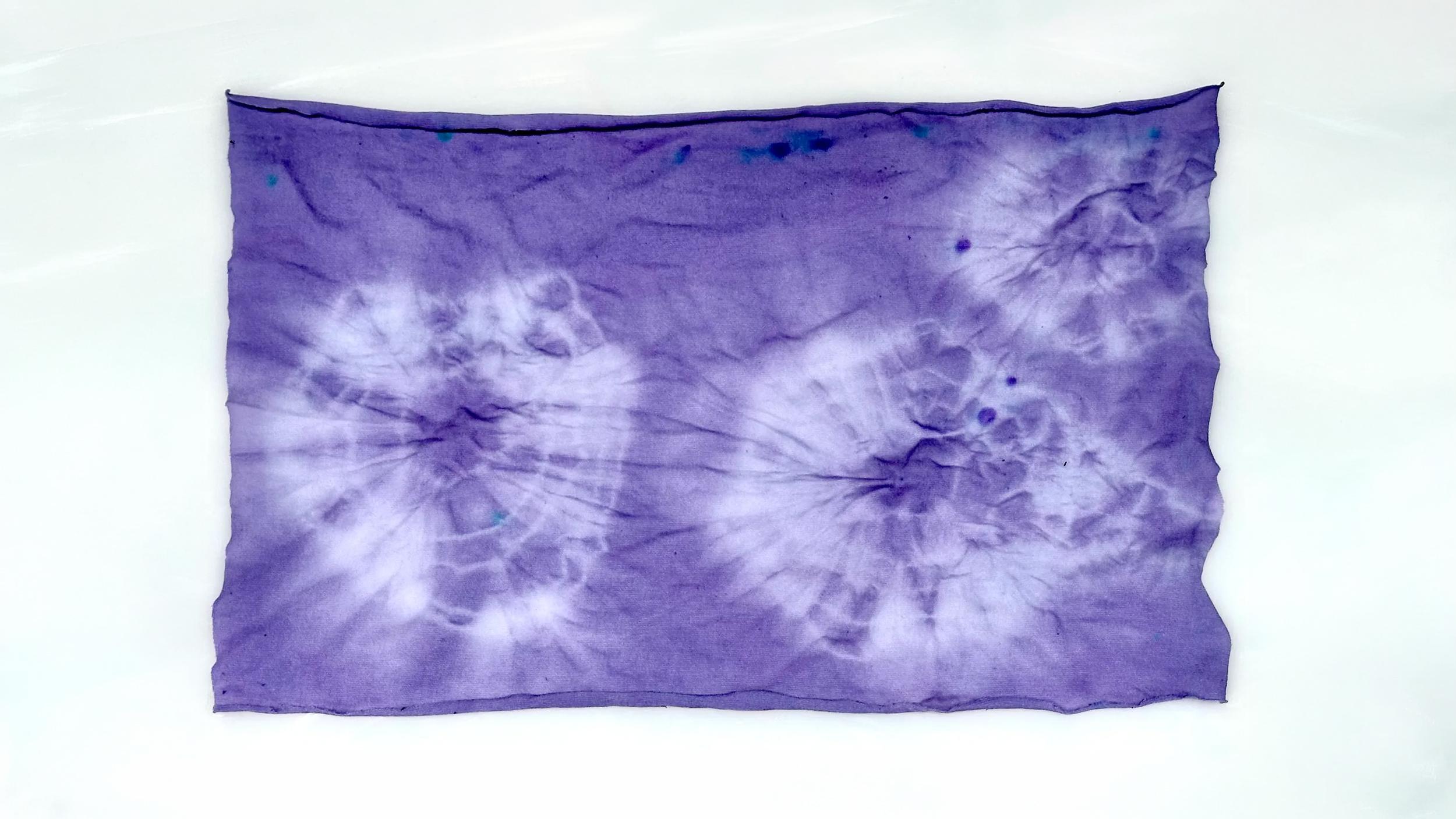
I’ve always enjoyed tie-dye and know it well, as it has a long history in China too. I even hosted a tie-dye workshop while working as a resident assistant. However, I had never heard of the term “Shibori” until recently. It looked somewhat similar to tie-dye, so I decided to research the differences between the two 🥸
What Is Shibori?
Shibori comes from the Japanese word shiboru, meaning to wring or squeeze. Unlike tie-dye, Shibori encompasses various techniques to manipulate fabric and create patterns through dyeing. It’s often described as a more sophisticated version of tie-dye due to its intricate methods and artistic approach.
Historical Context
Shibori dates back to at least the 8th century in Japan, reaching its peak in the 19th century with intricate techniques and patterns. While tie-dye methods also exist in cultures like India, China, and Indonesia, the Japanese elevated Shibori into an art form. Traditionally, Shibori used natural dyes like indigo and madder root, though modern artists also use fiber-reactive dyes for brighter colors.
Both Shibori and tie-dye involve creating resist patterns where the dye cannot penetrate the fabric, but the approaches differ. Shibori techniques include binding, clamping, and stitching, with stitching standing out as one of its most intricate and defining features. By carefully sewing patterns into the fabric and then tightening the stitches, artists can achieve highly detailed and symmetrical designs. In contrast, tie-dye relies on tying the fabric with string or rubber bands, producing more spontaneous and colorful patterns. Additionally, Shibori often uses a single dye color, such as indigo, whereas tie-dye typically employs a vibrant, multi-colored palette.
My Attempt at Stitched Shibori
I decided to try stitched Shibori because it highlights the technique’s specificities and contrasts with tie-dye. However, I quickly realized how challenging and time-consuming it can be, especially since I’m not skilled at stitching 😢
The Process
First Attempt: I started with two pieces of stretchy rayon fabric and a thick needle, which made sewing difficult. After hours of stitching patterns, I dyed the fabric, only to find that it didn’t absorb the dye well.
Adjustments: I switched to three pieces of cotton fabric and experimented with different stitching techniques. However, the thread often broke when tightened, making it hard to achieve the necessary resist. To compare, I also tied a fabric piece with some rubber bands in the traditional tie-dye method.
Results
After leaving all five pieces in the dye for over 24 hours, I observed that:
- Cotton absorbed the dye much better than rayon.
- Some patterns were faint due to insufficiently tightened threads.
- The rubber band method produced a clear pattern, proving its reliability for beginners 🥲